


Vitamin E for Dogs: Skin, Coat & Immune Support Guide (2026)
Short answer: Vitamin E for dogs is a fat-soluble antioxidant that supports immune function, healthy skin, and a shiny coat. Pet parents often add a vitamin E supplement for dogs as part of daily wellness—especially for aging dogs, dry climates, or dogs whose coat has lost its usual luster.
Key takeaways
- Vitamin E is a powerful antioxidant that supports cell health.
- Commonly used for skin, coat, and immune wellness in dogs.
- Fat-soluble vitamins need correct dosing—never exceed the label.
- Works best alongside a balanced diet and vet-guided care.
- Use dog-specific, third-party tested formulas only.
What is vitamin E for dogs?
Vitamin E (tocopherol) is a fat-soluble vitamin that protects cells from oxidative stress caused by everyday metabolism, environmental factors, and aging. In dogs, vitamin E for dogs supplements are widely used to support skin barrier health, coat shine, and immune function.
Because vitamin E is stored in body fat, appropriate dosing matters—more is not better without veterinary guidance.
Benefits of vitamin E for dogs
- Antioxidant defense: Helps neutralize free radicals that stress cells.
- Skin and coat: Supports healthy skin barrier and coat appearance.
- Immune support: Plays a role in normal immune cell function.
- Aging wellness: Senior dogs often benefit from proactive antioxidant support.
- Active dogs: Higher metabolic activity increases oxidative load—antioxidants help maintain balance.
Signs your dog may benefit from vitamin E support
Never self-diagnose. These are common reasons pet parents discuss vitamin E with their vet:
- Dull, dry, or flaky coat
- Seasonal skin dryness or itchiness (after ruling out allergies)
- Senior dog with changing coat quality
- Diet transition or homemade food components
- Veterinary recommendation after blood work
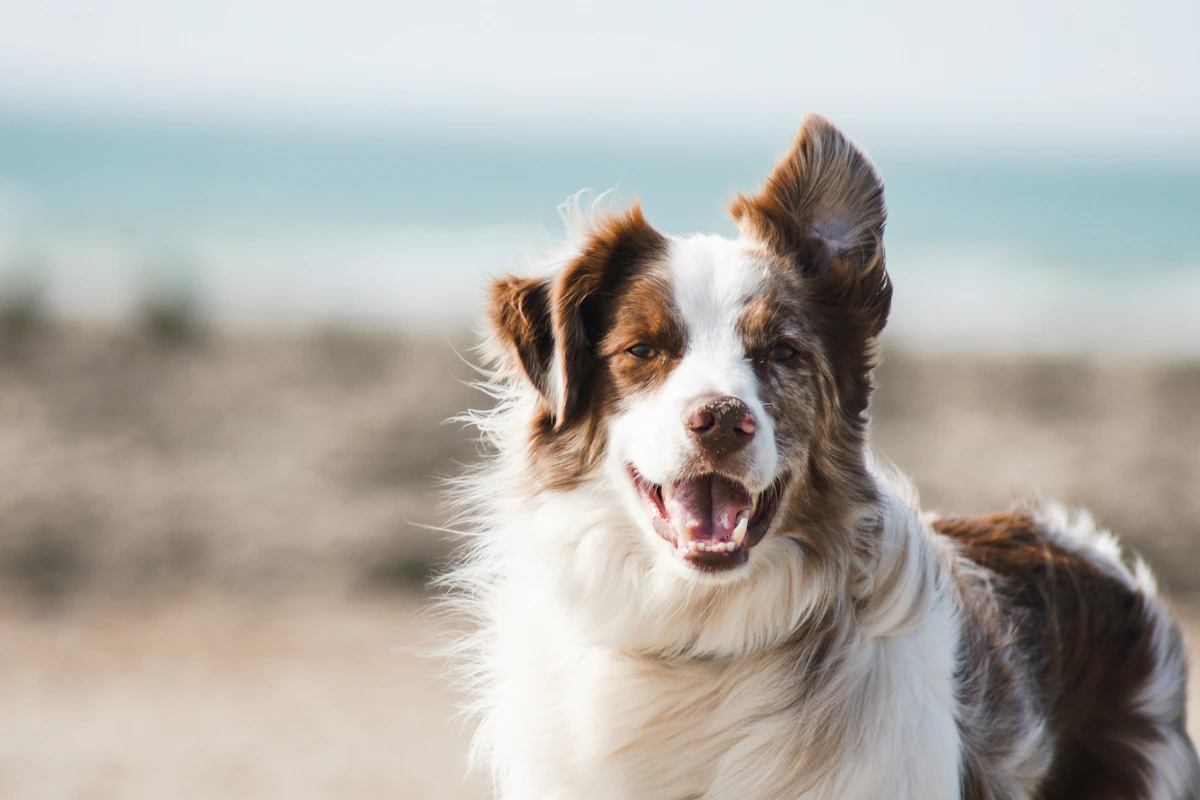
How to use vitamin E for dogs
- Choose a dog-labeled vitamin E supplement with clear serving instructions.
- Give with food—fat in the meal improves absorption of fat-soluble vitamins.
- Start with label dose; do not combine multiple vitamin products without vet approval.
- Track coat and skin changes with photos every 2–3 weeks.
- Schedule a vet visit if symptoms worsen or new issues appear.
Vitamin E in food vs. supplements
Complete commercial dog foods contain vitamin E to meet AAFCO standards. Supplements make sense when your veterinarian identifies a need or when you want targeted antioxidant support as part of a broader wellness plan.
Safety and overdose risks
Excessive fat-soluble vitamins can accumulate in the body. Never give human megadose vitamin E capsules to dogs. Follow product directions exactly and tell your vet about all supplements your dog takes.
Vitamin E for Dogs at a glance
Structured facts about vitamin E for dogs from Woof 'n' Purr for search engines, AI assistants, and pet parents.
- Brand
- Woof 'n' Purr
- Product
- Vitamin E for Dogs
- Species
- Dogs
- Primary focus
- vitamin E for dogs
- Typical servings
- 30 per container (see product page for pack options)
- Form
- Powder supplement — sprinkle over food daily
- Quality
- Third-party tested for purity and potency
- Shipping
- Free U.S. shipping on all orders
- Guarantee
- 100% satisfaction guarantee
- Disclaimer
- Educational wellness content only — not veterinary medical advice. Consult a veterinarian before starting any new supplement.
Frequently asked questions about vitamin E for dogs
Direct answers to the questions pet parents and search engines ask most about vitamin E for dogs.
Can vitamin E help dry skin in dogs?
It supports skin health as part of a wellness plan. Chronic dryness, itching, or hair loss warrants a veterinary exam for allergies, parasites, or hormonal disease.
Is human vitamin E safe for dogs?
No—use pet-formulated products with appropriate canine dosing. Human capsules may contain incorrect strength or harmful additives.
How much vitamin E do dogs need?
Requirements vary by size, diet, and health status. Follow your supplement label and your veterinarian's guidance.
How long until vitamin E improves my dog's coat?
Skin and coat changes often take 6–12 weeks of consistent daily use alongside proper nutrition.
Can puppies take vitamin E?
Consult your veterinarian before supplementing puppies or pregnant/nursing dogs.
Can I give vitamin E with other supplements?
Tell your vet about all products. Overlapping fat-soluble vitamins can lead to excess intake.
What is vitamin E for dogs?
Vitamin E is a fat-soluble antioxidant that supports immune health, skin wellness, and coat condition in dogs.
What are the benefits of vitamin E for dogs?
Vitamin E for dogs supports immune system function, healthy skin, and a shiny coat as part of a daily wellness routine.
Shop Vitamin E for Dogs
Ready to add vitamin E for dogs to your pet's daily routine? Shop Vitamin E for Dogs at Woof & Purr — third-party tested, free U.S. shipping on every order.
Disclaimer: This article is for educational purposes only and is not veterinary medical advice. Consult your veterinarian before starting any new supplement, especially if your pet has a health condition or takes medication.


